
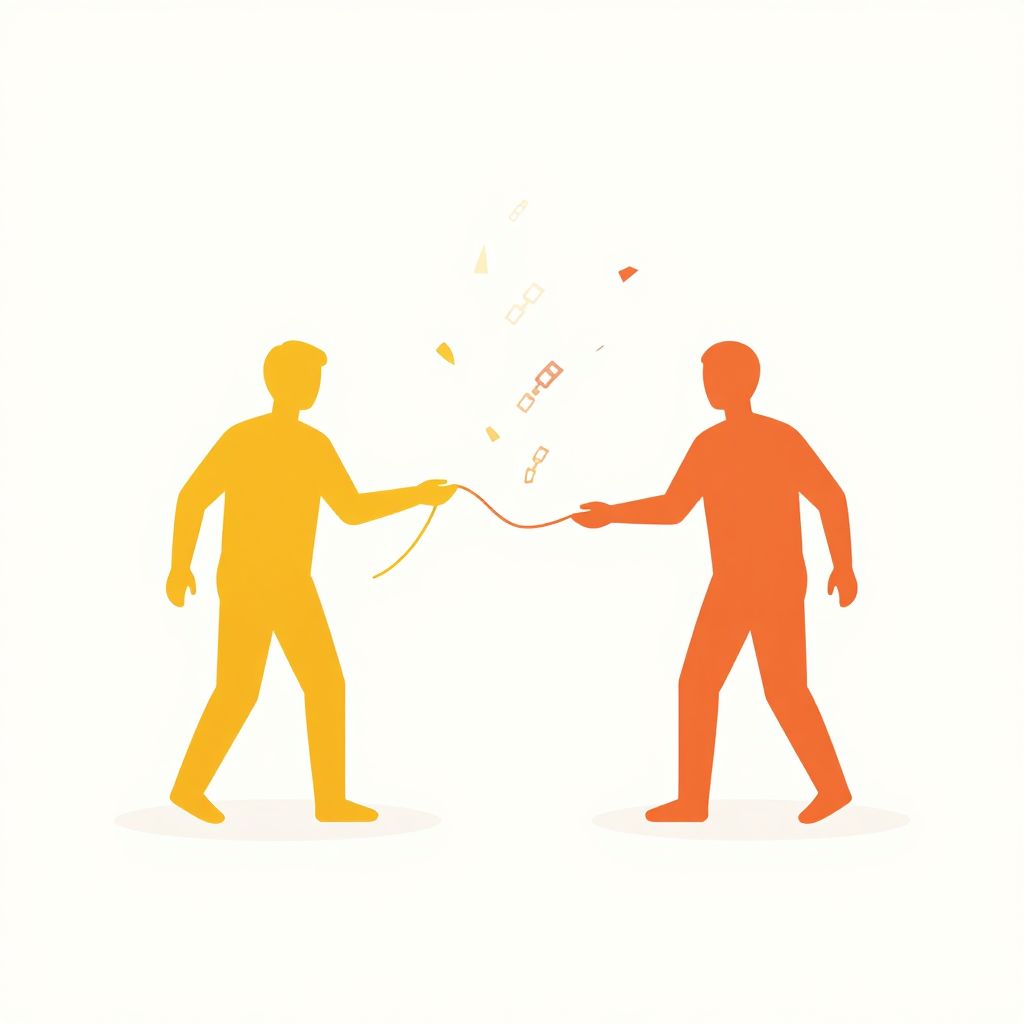
Detaching from someone you care about ranks among the hardest emotional tasks most people face. Whether the relationship drains you, the person no longer fits your life, or circumstances demand distance, your brain resists letting go because attachment runs deeper than conscious choice.
Research in neuroscience shows that emotional bonds activate the same brain regions as physical addiction, which explains why separation feels like withdrawal. This article examines the practical, evidence-based steps that help you create healthy distance without denying what the relationship meant.
How Do You Detach Yourself From Someone?
You detach from someone by consciously reducing contact, redirecting mental attention away from them, processing the emotions that surface during separation, and rebuilding your identity independent of the relationship. This process requires both behavioral changes and emotional work, typically unfolding over weeks or months rather than days.
1. Make the Decision Clear and Final
Ambivalence keeps you tethered. When you waver between staying connected and pulling away, your brain treats the relationship as an unsolved problem that demands constant attention.
Studies on decision-making show that unresolved choices consume significantly more mental energy than clear commitments, even when the commitment feels difficult. Write down your decision in simple, direct language: “I am choosing to detach from this person.”
This written statement becomes an anchor during moments when your emotions pull you backward. Revisit it when doubt creeps in, which it will.
2. Cut or Minimize Contact Immediately
Partial contact prolongs attachment. Each interaction, no matter how brief, reactivates the neural pathways that keep you emotionally invested.
The psychological principle of intermittent reinforcement explains why sporadic contact makes detachment harder. Random, unpredictable interactions create stronger emotional bonds than consistent connection because your brain remains in a state of anticipation.
Remove the person from your immediate digital environment. Unfollow them on social media, delete old message threads, and remove their contact information from easy access.
If complete contact elimination proves impossible due to shared responsibilities or social circles, establish rigid boundaries around communication. Respond only when necessary, keep exchanges factual and brief, and never initiate contact yourself.
3. Understand What You Actually Attached To
People rarely attach to others as they truly are. Instead, attachment forms around what the relationship provided: validation, distraction, comfort, identity, or the promise of potential.
List the specific needs this person met for you. Did they make you feel important? Did they fill empty hours? Did their presence quiet anxiety or provide social proof?
Identifying these underlying needs reveals what you must address independently. When you recognize you attached to the feeling of being needed rather than the person themselves, detachment becomes a problem you can solve through self-awareness rather than a loss you can only mourn.
4. Stop Telling the Story
Each time you rehash what happened, you strengthen the neural networks associated with the relationship. Neuroscience research demonstrates that retrieval of memories actually reconsolidates them, making the emotional content more accessible and vivid.
Notice when you start narrating your feelings about this person, either aloud to others or silently to yourself. Catch the pattern: “I’m thinking about them again.”
Then consciously redirect. This doesn’t mean suppressing thoughts, which typically backfires, but rather acknowledging them without elaboration and choosing to focus elsewhere.
5. Fill the Space With Structure
Detachment creates a void. Your former attachment consumed time, attention, and emotional bandwidth that now sits empty and uncomfortable.
Research on habit formation shows that replacing unwanted behaviors works better than simply trying to stop them. When you notice yourself reaching for your phone to check on them or drifting into thoughts about them, you need a predetermined alternative ready.
Build specific routines for times when you typically thought about this person. Morning coffee becomes reading time. Evening hours become learning a skill. Weekend gaps become physical activity.
The structure matters less than its consistency. Predictable patterns give your brain new neural pathways to default to when the old ones activate.
Why Detachment Feels Like Physical Pain
The discomfort of detachment isn’t metaphorical. Brain imaging studies reveal that social rejection and physical pain activate overlapping neural regions, particularly the anterior cingulate cortex and insula.
Your nervous system genuinely registers emotional separation as a threat to survival. This makes sense from an evolutionary perspective, since human survival historically depended on group belonging.
Expecting detachment to feel easy sets you up for failure. When you understand that distress signals biological processes rather than evidence you’re making the wrong choice, you can tolerate discomfort without reversing course.
The intensity of pain doesn’t measure the rightness of your decision. It measures how deeply embedded the attachment became in your nervous system.
The Role of Grief in Healthy Detachment
Detachment requires mourning, even when you’re the one choosing distance. You grieve not just the person but the future you imagined, the identity you held within the relationship, and the version of yourself who believed things would turn out differently.
Studies on grief show that avoidance of painful emotions typically extends suffering rather than shortening it. People who allow themselves to fully feel loss tend to recover function faster than those who suppress or bypass emotional processing.
Set aside specific time for grief. Fifteen minutes daily where you permit yourself to feel whatever surfaces without judgment creates a container for difficult emotions rather than letting them leak across your entire day.
This might look like journaling, sitting quietly with tears, or speaking aloud to an empty chair. The method matters less than the permission to hurt without immediately trying to fix or escape the feeling.
When Grief Becomes Rumination
Healthy grief moves through you. Rumination circles endlessly without resolution, replaying the same thoughts and scenarios repeatedly.
Notice the difference: Grief says “I feel sad about this loss.” Rumination says “What if I had said something different? Maybe if I tried one more time…”
Rumination disguises itself as problem-solving but actually prevents emotional processing. When you catch yourself in repetitive thought loops, acknowledge what’s happening: “I’m ruminating, not grieving.”
Return to physical sensation. Notice where emotion sits in your body. This grounds you in present experience rather than mental loops about past or future.
Rebuilding Identity Apart From Them
Close relationships shape identity. You become someone’s partner, friend, or focus, and that role provides structure for how you see yourself and move through the world.
Research in social psychology demonstrates that identity shifts following relationship dissolution can actually trigger growth when approached intentionally. The question “Who am I without this person?” becomes an opportunity rather than only a crisis.
Make a list of interests, values, or activities you set aside during the relationship. Which parts of yourself went dormant or unexpressed because they didn’t fit the dynamic?
Detachment creates space to reclaim those aspects. This isn’t about becoming someone new but rather expanding back into parts of yourself that contracted.
The Trap of Comparative Identity
Avoid defining yourself primarily in opposition to the relationship. “I’m the person who left that situation” or “I’m stronger than I was with them” keeps you relationally bound to what you’re trying to leave.
Build identity through positive definition instead. “I value relationships where I feel respected” states what you’re moving toward rather than only what you’re moving away from.
Choose activities and communities based on intrinsic interest rather than how different they are from your previous attachment. This subtle shift prevents you from organizing your new life as a reaction to the old one.
Managing Setbacks Without Losing Progress
Detachment rarely follows a straight line. You’ll have days when the pull back feels overwhelming, moments when you almost reach out, and times when you genuinely question whether you’re making a mistake.
Research on behavior change shows that lapses in progress are nearly universal and don’t predict ultimate success or failure. How you respond to setbacks matters more than whether they occur.
When you slip, notice it without catastrophizing. One moment of weakness doesn’t erase your overall progress or mean you’ve failed completely.
Ask yourself what triggered the urge to reconnect. Loneliness? Boredom? A specific memory? Understanding the trigger helps you address the underlying need directly rather than using the relationship as a solution.
The Two-Minute Rule for Urges
When the urge to contact them hits, commit to waiting two minutes before acting. Set a timer if needed.
Most intense emotional urges peak quickly and then diminish. Studies on impulse control reveal that brief delays significantly reduce the likelihood of acting on momentary desires because they interrupt automatic response patterns.
During those two minutes, do something physical. Walk outside, do push-ups, wash your face with cold water. Physical activity disrupts emotional intensity through nervous system engagement.
After two minutes, the urge typically loses its urgency. If it remains, extend the wait to two hours, then two days.
What Detachment Isn’t
Detachment doesn’t mean you never cared. It means you’re choosing to care about yourself more than you care about maintaining a connection that no longer serves you.
It doesn’t require hating the person or vilifying what happened. You can recognize that someone mattered to you and simultaneously recognize that continuing attachment damages your wellbeing.
Healthy detachment allows complexity. You can appreciate what someone once provided while accepting they no longer belong in your present. You can acknowledge your own contribution to relationship problems while still choosing to leave.
Detachment also doesn’t mean you’ll never think about them again. The goal isn’t erasure but rather emotional neutrality, where thoughts of them no longer hijack your attention or mood.
When to Seek Additional Support
Some attachments resist individual effort because they’re entangled with trauma, longstanding patterns, or mental health conditions that require professional intervention.
Consider seeking support from a therapist when detachment efforts consistently fail despite genuine commitment, when thoughts about the person interfere with daily functioning for months, or when you notice yourself repeatedly entering similar attachment patterns with different people.
Asking for help represents strength, not weakness. Certain attachment styles and relational patterns formed in childhood create blueprints that require specialized approaches to change.
Therapy models like Internal Family Systems, EMDR, and Cognitive Behavioral Therapy have strong evidence bases for addressing relationship difficulties and attachment issues. The right therapeutic approach depends on your specific situation and needs.
The Quiet Reward of Successful Detachment
One day, you’ll realize you haven’t thought about them in hours, then days, then weeks. The person who once occupied constant mental space becomes someone who existed in your past without dominating your present.
This shift happens gradually rather than dramatically. You won’t typically wake up one morning suddenly free. Instead, you’ll notice increasing stretches of peace, growing interest in your own life, and decreasing emotional reactivity when reminders surface.
Successful detachment feels less like victory and more like relief. The obsessive quality fades. You remember without pain. You can acknowledge what was without longing for what might have been.
This quieter state allows you to invest energy in relationships and pursuits that actually align with who you’re becoming. The space formerly occupied by unhealthy attachment becomes available for connections that nourish rather than deplete.
Moving Forward With What You’ve Learned
Detachment teaches you what you’ll tolerate and what you won’t. It clarifies your values by showing you which boundaries you’re willing to enforce even when enforcement hurts.
The skills you build during this process transfer to every future relationship. You learn to recognize attachment patterns earlier, establish boundaries more clearly, and choose connection consciously rather than falling into it reflexively.
Research on post-traumatic growth demonstrates that difficult experiences often catalyze significant personal development when people actively extract meaning from hardship. What did this attachment teach you about yourself? What patterns became visible that you can now change?
Write down these insights while they’re fresh. Future relationships will test whether you’ve internalized the lessons or only intellectually understood them. Having your own words to return to helps you stay committed to healthier patterns.
Detachment from one person ultimately becomes attachment to yourself: your values, your boundaries, your vision for the life you want to build. That’s not selfishness. That’s the foundation for every healthy relationship that follows.
Start with one clear boundary today. Reduce one form of contact. Redirect one thought loop. Small actions compound into transformed patterns when you commit to them consistently over time.
For additional guidance on creating emotional distance and redirecting your mental energy, explore more resources on how to detach from someone and practical strategies for how to stop thinking about someone that no longer serves your growth.