
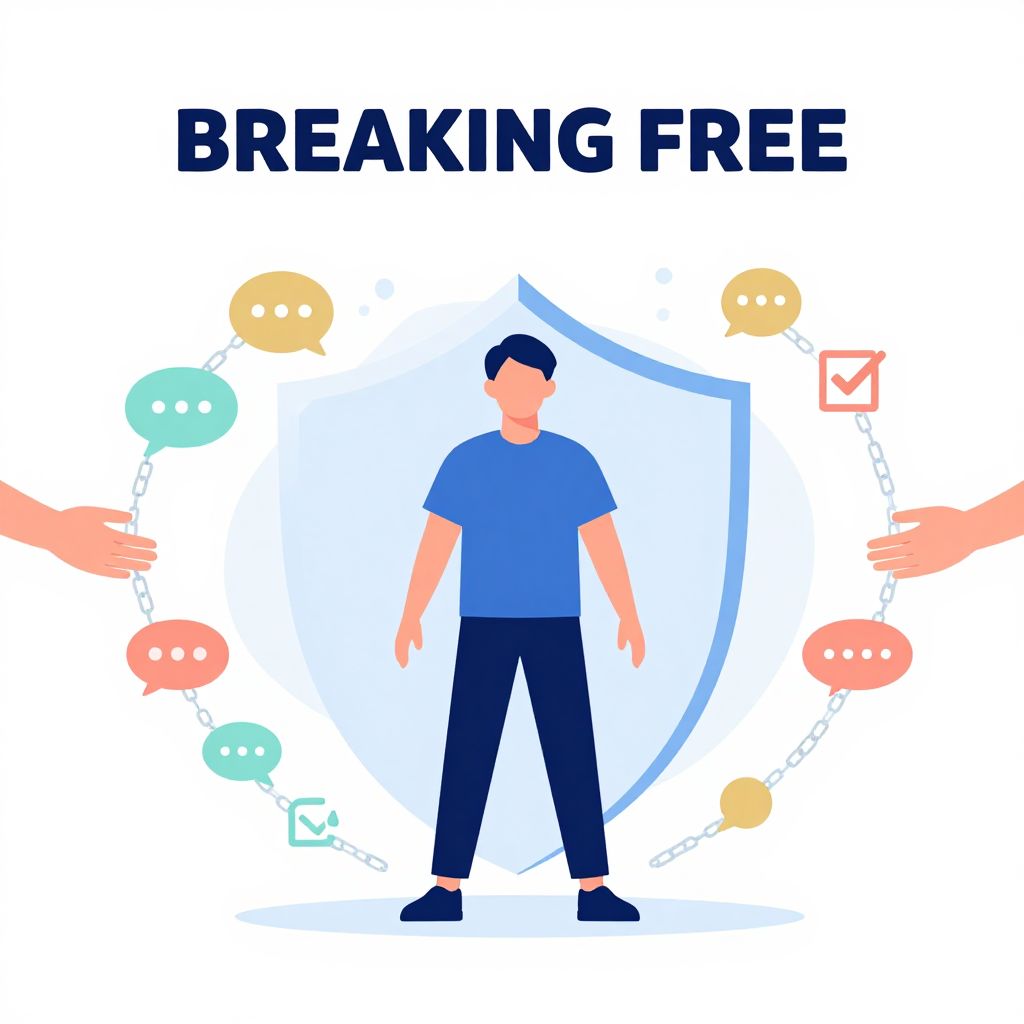
You agree when you want to say no. You apologize when you’ve done nothing wrong. You carry the weight of other people’s emotions while your own needs sit untouched in the corner.
People pleasing masquerades as kindness, but it operates from a different foundation entirely. Research in social psychology shows that chronic people pleasing stems from fear-based decision making rather than genuine generosity, and it quietly erodes self-worth, authenticity, and the very relationships it tries to protect.
How Do You Stop People Pleasing?
You stop people pleasing by recognizing that the behavior serves your need for safety and approval rather than others’ wellbeing, then systematically rebuilding your decision-making around internal values instead of external validation. This requires identifying your specific people-pleasing patterns, establishing clear boundaries, tolerating the discomfort of disappointing others, and practicing small acts of authentic self-advocacy until saying no becomes a neutral choice rather than an emotional crisis.
The Fear That Drives the Pattern
People pleasing doesn’t come from an overflow of generosity. It comes from a scarcity of safety.
When you constantly prioritize others’ comfort over your own truth, you’re operating from what psychologists call an external locus of control. Your sense of worth depends on outside approval rather than internal alignment.
This pattern often develops early. Children who learned that love came with conditions, that conflict meant rejection, or that their needs were burdensome often grow into adults who automatically suppress their own preferences to keep the peace.
The nervous system learns a simple equation: my safety depends on your happiness. That equation runs quietly in the background of every interaction, every decision, every time you swallow what you really want to say.
The Hidden Costs Nobody Mentions
People pleasing doesn’t just exhaust you. It prevents people from actually knowing you.
When you constantly adjust yourself to match what you think others want, you offer the world an edited version of who you are. Relationships built on that foundation feel hollow because they are, no matter how much effort you pour into them.
Research on authenticity in relationships shows that connection deepens through honest self-disclosure, not through constant accommodation. When you hide your real preferences, opinions, and boundaries, you block the very intimacy you’re working so hard to create.
The resentment builds slowly. You give and give, then wonder why people don’t reciprocate with the same intensity, forgetting that they never asked you to carry what you’ve been carrying.
Recognizing Your Specific Pattern
People pleasing shows up differently for different people. Some say yes to every request while others simply never voice disagreement.
Pay attention to where your pattern lives. Do you over-apologize, over-explain, or pre-emptively fix problems that aren’t yours to solve?
The Body Knows Before the Mind Does
Your body registers the cost of people pleasing before your conscious mind catches up. That tight feeling in your chest when someone asks for something, the exhaustion that no amount of sleep fixes, the low-grade anxiety that hums beneath everything you do.
These physical signals are data. They tell you when you’ve crossed your own boundaries before you’ve consciously registered the boundary exists.
Start tracking the sensations. Notice what happens in your body when you agree to something you don’t want to do.
The discomfort isn’t weakness or dysfunction. It’s your internal system trying to get your attention, flagging the gap between what you’re doing and what actually serves you.
The Language Patterns That Give It Away
Listen to how you speak. People pleasers use specific linguistic patterns that reveal the underlying fear.
Common markers include:
- Excessive qualifiers: “I might be wrong, but…” or “This is probably stupid, but…”
- Pre-emptive apologies: “Sorry to bother you” when making reasonable requests
- Hedging language: “Maybe we could consider possibly…” instead of direct statements
- Over-explaining: Offering elaborate justifications for simple preferences
- Seeking permission: “Is it okay if I…” for choices that don’t require approval
These patterns soften your presence. They make you smaller, less demanding, easier to dismiss.
Building a Different Foundation
Stopping people pleasing doesn’t mean becoming selfish or cold. It means learning to make decisions from a different starting point.
Instead of asking “What will keep everyone happy?” you start asking “What actually aligns with my values and capacity right now?”
1. Identify Your Non-Negotiables
You cannot set boundaries if you don’t know what matters to you. Most people pleasers have spent so long prioritizing others that they’ve lost touch with their own core values.
Write down what you genuinely need to function well: adequate sleep, time alone, creative expression, physical movement, financial stability, honest communication. These aren’t luxuries or selfishness. They’re requirements.
Start treating them that way. When a request conflicts with a genuine need, that’s essential information for your decision.
Values work like a filter. They help you distinguish between generous flexibility and self-abandonment.
2. Practice the Pause
People pleasers tend to respond immediately, usually with yes. That automatic agreement bypasses any real consideration of capacity or desire.
Insert space between request and response. “Let me check my schedule and get back to you” or “I need to think about that” aren’t evasions, they’re acts of self-respect.
Research on decision-making shows that emotional reactions settle within minutes, allowing for more values-aligned choices. The pause gives you time to consult what you actually want instead of what fear tells you to do.
This feels uncomfortable at first. That discomfort is not a sign you’re doing something wrong, it’s a sign you’re doing something different.
3. Start With Low-Stakes Practice
You don’t need to start by confronting your most demanding relationship. Begin with situations that carry less emotional weight.
Tell the barista you actually wanted oat milk, not almond. Disagree with a minor opinion in a casual conversation. Return the item that doesn’t fit instead of keeping it to avoid inconvenience.
These small assertions train your nervous system that expressing preferences doesn’t lead to catastrophe. Each small success builds evidence against the fear that drives people pleasing.
The goal isn’t perfection. The goal is data that contradicts your old belief system.
4. Learn to Sit With Disappointment
Other people will, in fact, be disappointed when you set boundaries. That’s not a failure on your part, it’s just reality.
The people-pleasing pattern assumes you’re responsible for managing everyone’s emotions. You’re not.
Adults can handle disappointment. When you say no to a request, you’re not inflicting harm, you’re simply declining to do something that doesn’t work for you.
Their disappointment is not an emergency you must fix. You can acknowledge it with compassion while still maintaining your boundary.
This distinction matters. “I understand you’re disappointed, and I’m still not available” holds both truths without collapsing into guilt-driven reversal.
5. Expect and Tolerate Discomfort
Breaking the people-pleasing pattern feels wrong at first. Your nervous system has been wired to equate boundaries with danger.
You’ll feel selfish. You’ll feel guilty. You’ll want to take back every no and smooth over every moment of tension.
Those feelings are part of the process, not evidence that you should stop. Discomfort is the price of change, not a sign you’re making a mistake.
Neuroplasticity research confirms that new patterns feel effortful and uncomfortable until repetition makes them automatic. You’re literally rewiring neural pathways that have been reinforced for years or decades.
The discomfort lessens with practice. What feels impossible the first time becomes merely difficult the tenth time, then unremarkable the hundredth.
Handling the Pushback
Not everyone will celebrate your new boundaries. Some people benefited from your old pattern and won’t appreciate the shift.
This reveals important information about the relationship. Healthy connections flex and adjust when both people grow.
When People Call You Selfish
The accusation of selfishness often comes when you stop over-functioning in someone else’s life. They’ve grown accustomed to your constant accommodation, and your new boundaries feel like withdrawal.
Here’s the truth: having needs and expressing them clearly is not selfishness. It’s basic self-respect.
Selfishness means disregarding others’ wellbeing for your own gain. Setting boundaries means honoring your own wellbeing alongside others’, not instead of it.
If someone consistently labels reasonable boundaries as selfish, that person may have been relying on your self-abandonment. That’s not a relationship worth protecting at the cost of yourself.
The Guilt That Follows Saying No
Guilt after setting a boundary doesn’t mean the boundary was wrong. It means you’re operating against old programming.
People pleasers often mistake guilt for a moral compass. The feeling becomes conflated with wrongdoing, as if emotional discomfort proves you’ve harmed someone.
Separate the feeling from the reality. You can feel guilty and still have made the right choice.
Ask yourself: Did I violate my own values, or did I simply prioritize my needs appropriately? Did I cause genuine harm, or did I just disappoint someone?
Most people-pleasing guilt comes from the second category. The feeling is real, but it doesn’t reflect actual wrongdoing.
Building Relationships That Don’t Require Self-Erasure
As you shift out of people pleasing, you’ll notice which relationships deepen and which ones strain. Both responses teach you something valuable.
The people who respect your boundaries are the ones worth investing in. The ones who punish you for having them were never safe to begin with.
What Actual Generosity Looks Like
Stopping people pleasing doesn’t mean you stop being kind or generous. It means those qualities come from choice rather than fear.
Generosity from abundance feels entirely different than generosity from depletion. When you help someone because you genuinely want to and you have the capacity, both people benefit.
When you help someone because you’re afraid to say no, resentment builds underneath the action. That resentment eventually leaks out in passive aggression, withdrawal, or burnout.
Real generosity requires that you have a self to give from. Self-sacrifice that leaves you empty doesn’t serve anyone well, including the person you’re trying to help.
Teaching People How to Treat You
Every time you say yes when you mean no, you train people that your boundaries are negotiable. Every time you absorb someone’s responsibility, you teach them you’ll keep doing it.
This isn’t malicious on their part. People generally accept what you offer.
When you begin setting clearer boundaries, you’re not punishing anyone. You’re updating the terms of engagement to something sustainable.
Some relationships will recalibrate smoothly. Others will end, and that ending reveals they were built on your depletion rather than mutual respect.
The Long Game
Breaking people-pleasing patterns doesn’t happen in a week or a month. The neural pathways that drive automatic accommodation took years to develop.
Progress looks like slowly increasing your tolerance for others’ disappointment. It looks like catching yourself mid-apology and stopping.
Measuring What Actually Matters
You’ll know you’re making progress when saying no stops feeling like a crisis. When you can disappoint someone and still sleep that night.
Track the small wins: the time you didn’t apologize unnecessarily, the boundary you maintained even when someone pushed back, the preference you stated clearly without hedging.
These moments are evidence of deep change. They prove that your sense of safety is beginning to come from internal alignment rather than external approval.
The goal isn’t to never accommodate others. The goal is to make that choice consciously, from genuine willingness rather than fear-driven compulsion.
What Opens Up on the Other Side
When you stop contorting yourself to fit what you think others need, something unexpected happens. The relationships that remain become more honest.
People respond to authenticity, even when that authenticity includes boundaries they don’t prefer. The ones who matter stick around and adjust.
You also reclaim energy. The mental and emotional resources you spent managing everyone’s feelings become available for your own goals, creativity, and growth.
Life gets smaller in some ways, you’re doing less, agreeing to less, performing less. But it gets richer in the ways that matter.
Moving Forward
People pleasing protected you once. It kept you safe in environments where expressing needs felt dangerous.
That strategy outlived its usefulness. What helped you survive then now prevents you from actually living.
You can honor the pattern for what it was while choosing something different now. You’re not broken for having developed this response, and you’re not weak for working to change it.
Start small. Notice one pattern this week.
Insert one pause before automatically agreeing. State one preference clearly.
Let someone be disappointed without rushing to fix it. Sit with the discomfort for five minutes instead of immediately soothing it.
These small acts accumulate. They build a foundation for a life where your relationships include you, not just your constant accommodation.
The people worth keeping will meet you there. The ones who won’t were never your people to begin with.
If you’re working to break free from people pleasing, you might also find it helpful to explore resources on how to focus on yourself without guilt and learn practical strategies for how to become a better person through authentic growth rather than constant self-sacrifice. Building a life that honors your needs while maintaining genuine connection takes time, but every boundary you set and every honest preference you express moves you closer to relationships built on truth rather than fear.